
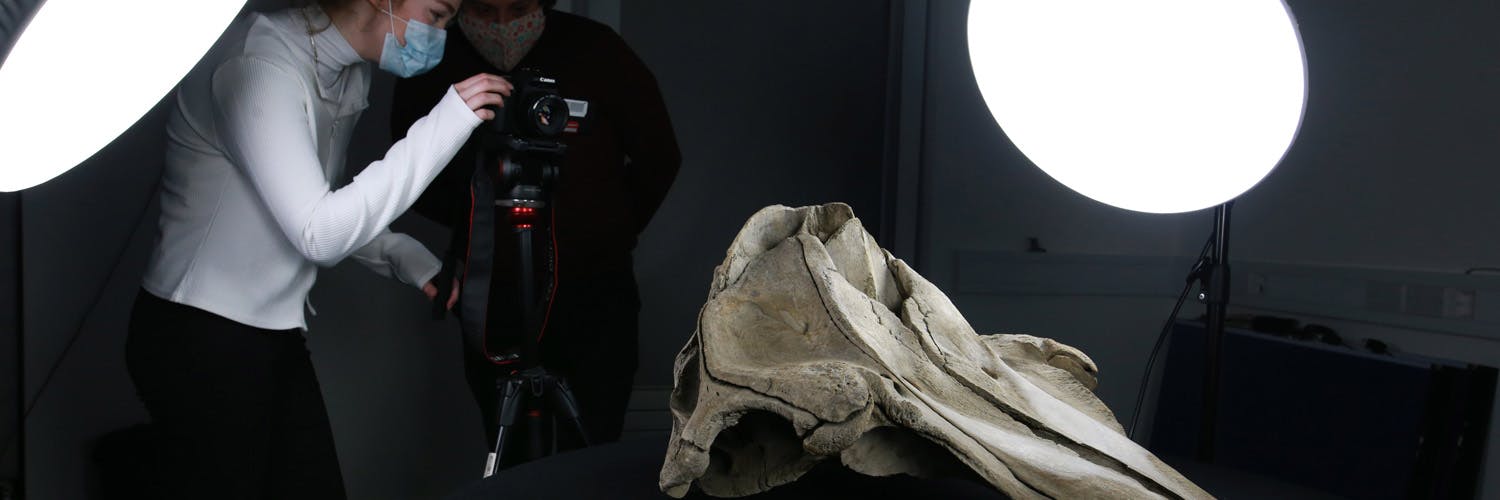
Opening museum collections through creative technology
Bath Spa University × BRLSI, Creative Industry Challenge (2020–2023)
From 2020 to 2023, BSc Creative Computing students from Bath Spa University partnered with the Bath Royal Literary and Scientific Institution (BRLSI) through the Creative Industry Challenge module led by Dr Coral Manton.
The collaboration explored how creative technologies can open museum collections to new audiences, while giving students hands-on experience of digital research and development within a real cultural heritage context.
Working with BRLSI’s globally significant natural history and scientific collections, students experimented with photogrammetry, 3D scanning, immersive media, and augmented reality. Across three years, they responded to live briefs that combined collection research, technical innovation, and public engagement.
Year one: climate change, collections, and photogrammetry
In the first year, students created a 3D web-based experience using photogrammetry scans of objects from BRLSI’s natural history collection. Four selected objects were used to tell a story about the oceans through time, exploring climate change and environmental change.
Users travelled through an interactive digital ocean environment where they could explore 3D models embedded via Sketchfab. The project demonstrated how digital storytelling and web technologies can extend museum access beyond the physical gallery and support new forms of environmental interpretation.
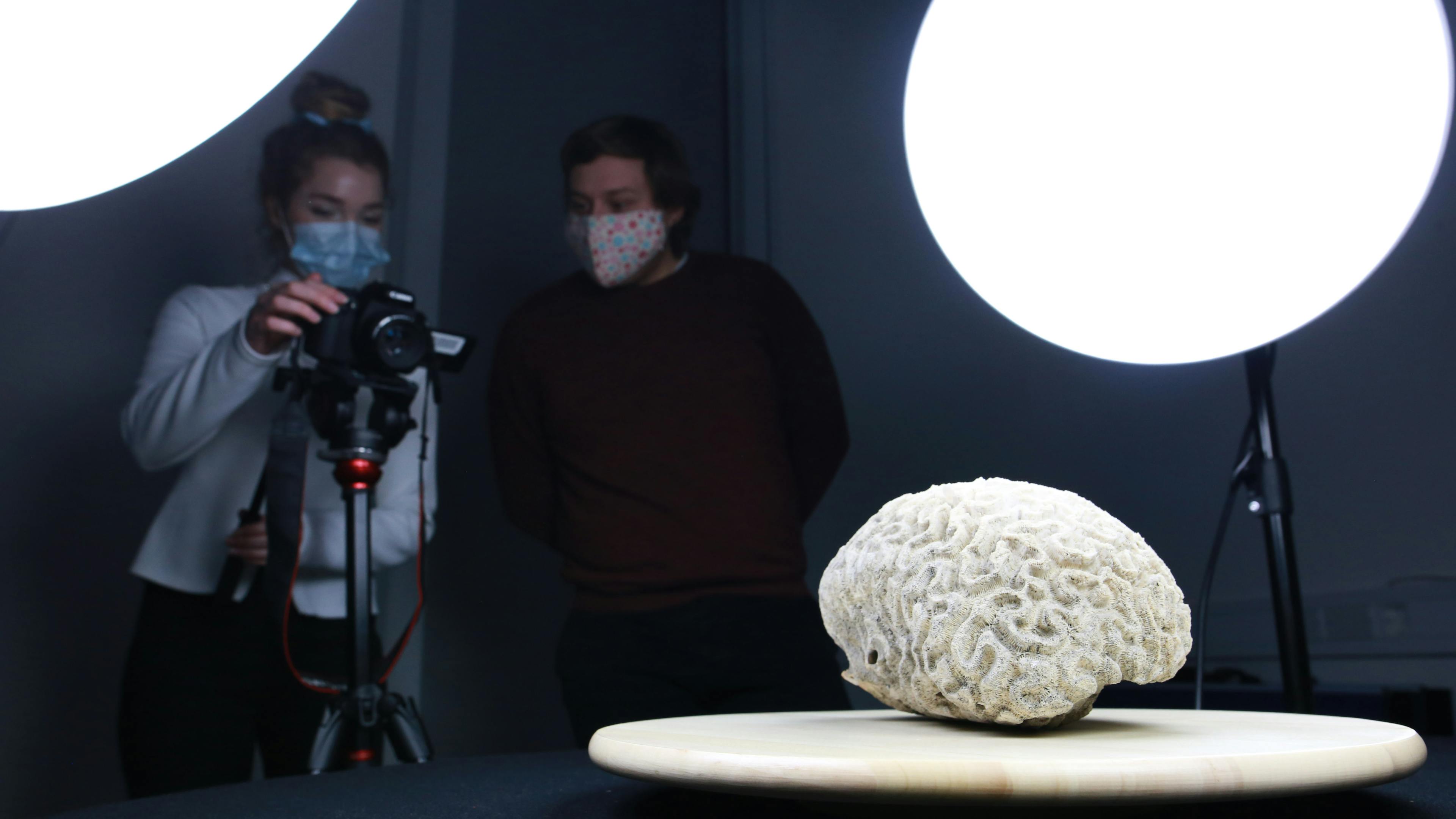
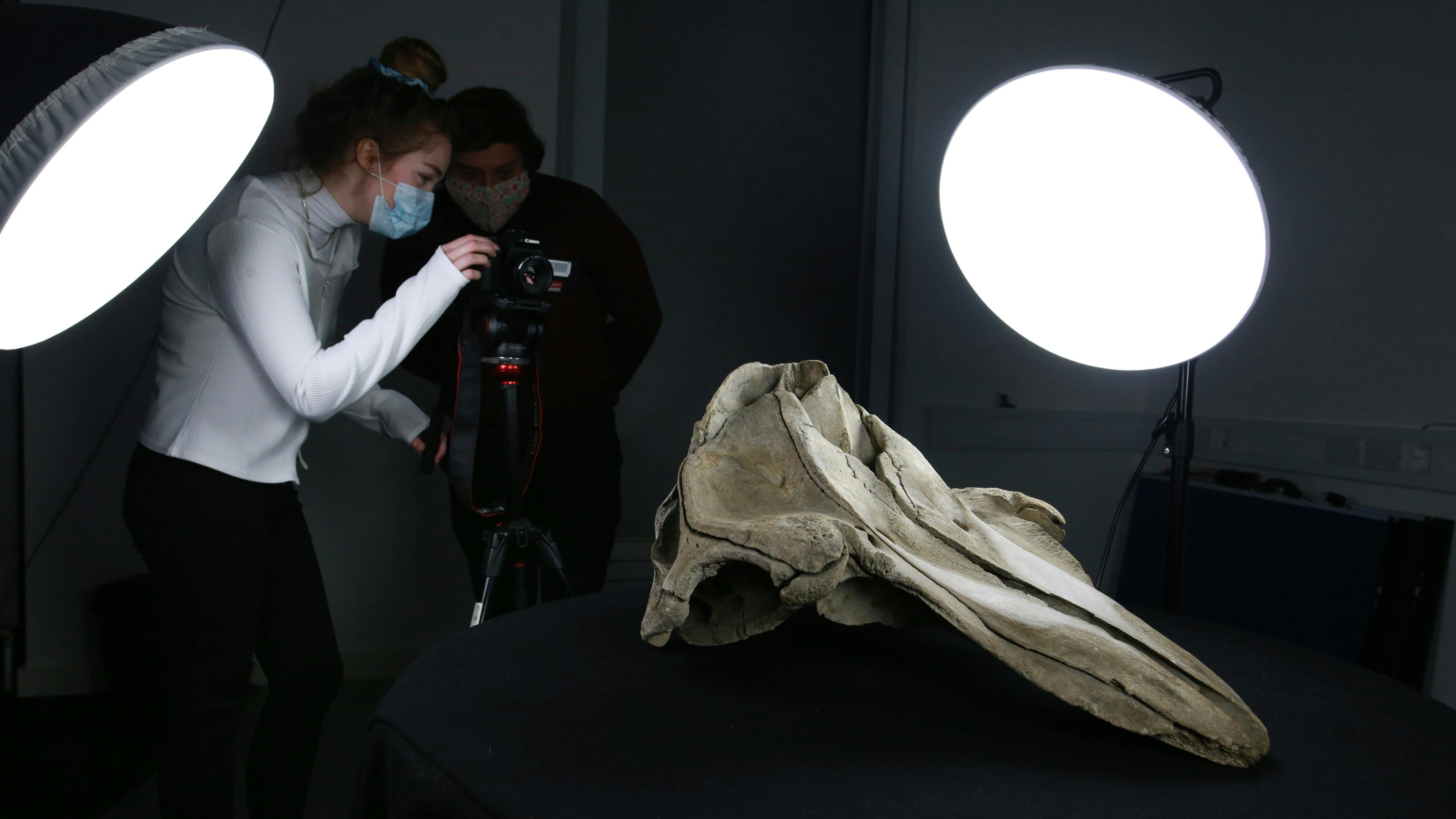
Through Bath Spa University’s Global Academy of Liberal Arts (GALA), led by Prof Ian Gadd, students also collaborated with peers at the University of Adelaide who were working on a similar brief. They shared skills, feedback, and peer support across institutions and continents.
Following the success of the project, two students undertook a fully funded international placement at the University of Adelaide. Supported by GALA and the Turing Scheme, they developed immersive technology skills under the supervision of Steve Cook (Senior Lecturer in Immersive Media and Head of Realities Extended).
The international strand proved so successful that it was extended for a further two years beyond its initial launch. Over three years, six students undertook funded placements with the University of Adelaide, developing advanced immersive media skills while working across institutional and national contexts. What started as a teaching collaboration evolved into a sustained international exchange.
Experience the website: https://tawc.netlify.app/
Project blog: https://brlsiprojectsblog.wordpress.com/
Year two: virtual museum experience
In the second year, students explored how immersive environments can support access to collections and heritage interpretation by creating a virtual museum experience.
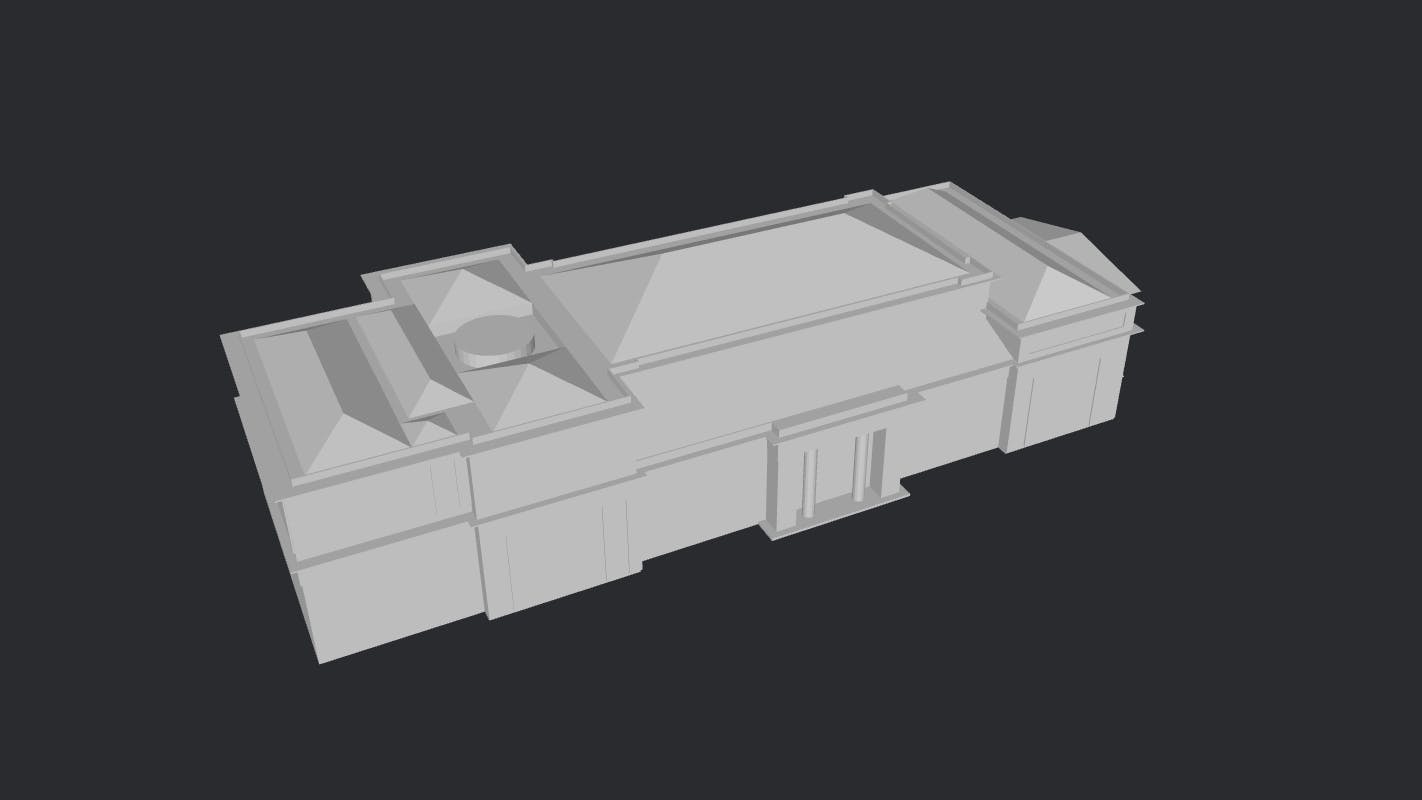
Using archival research and 3D modelling workflows, the team recreated BRLSI’s original building, which was destroyed during the Second World War. Inside this virtual space, users could explore a digital exhibition featuring photogrammetry scans of collection objects — including a seven-foot narwhal tusk.
Developed in the Unity game engine, the explorable virtual BRLSI demonstrated how lost heritage spaces can be reconstructed and reinterpreted through immersive technology.
Year three: touchscreens and augmented reality
The final year expanded into multiple public-facing outputs supported by research from Bath Spa University Humanities students.
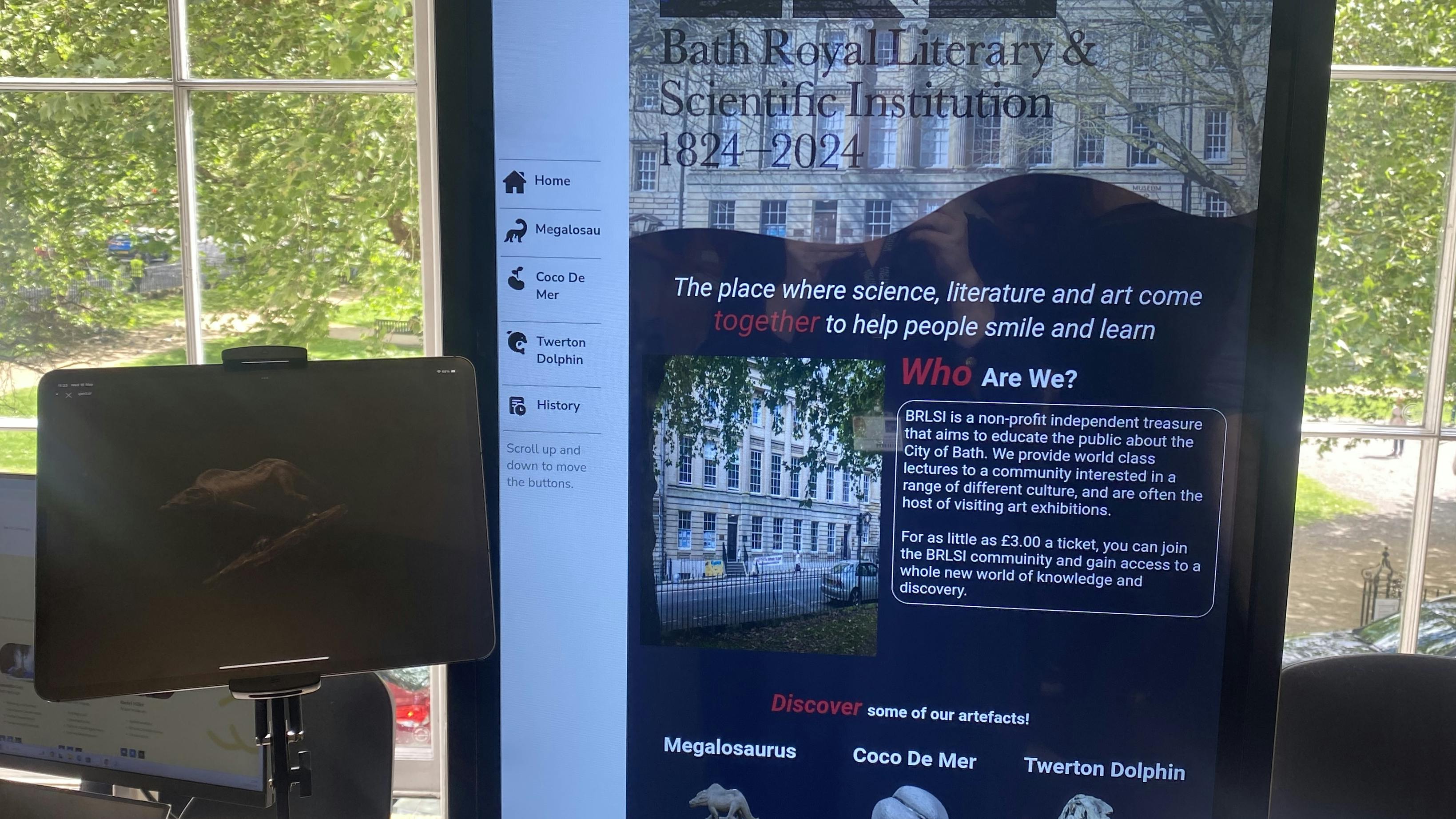
Touchscreen 3D collection explorer – an interactive display allowing users to explore high-resolution 3D scans from BRLSI’s collection.
Augmented reality heritage app – placing historic photographs of Bath into present-day locations, enabling users to experience layered histories through mobile devices.
Reconstructed BRLSI AR experience – a mobile AR tour of the original museum building on Bog Island, combining archival imagery and student research to visualise a lost heritage site.
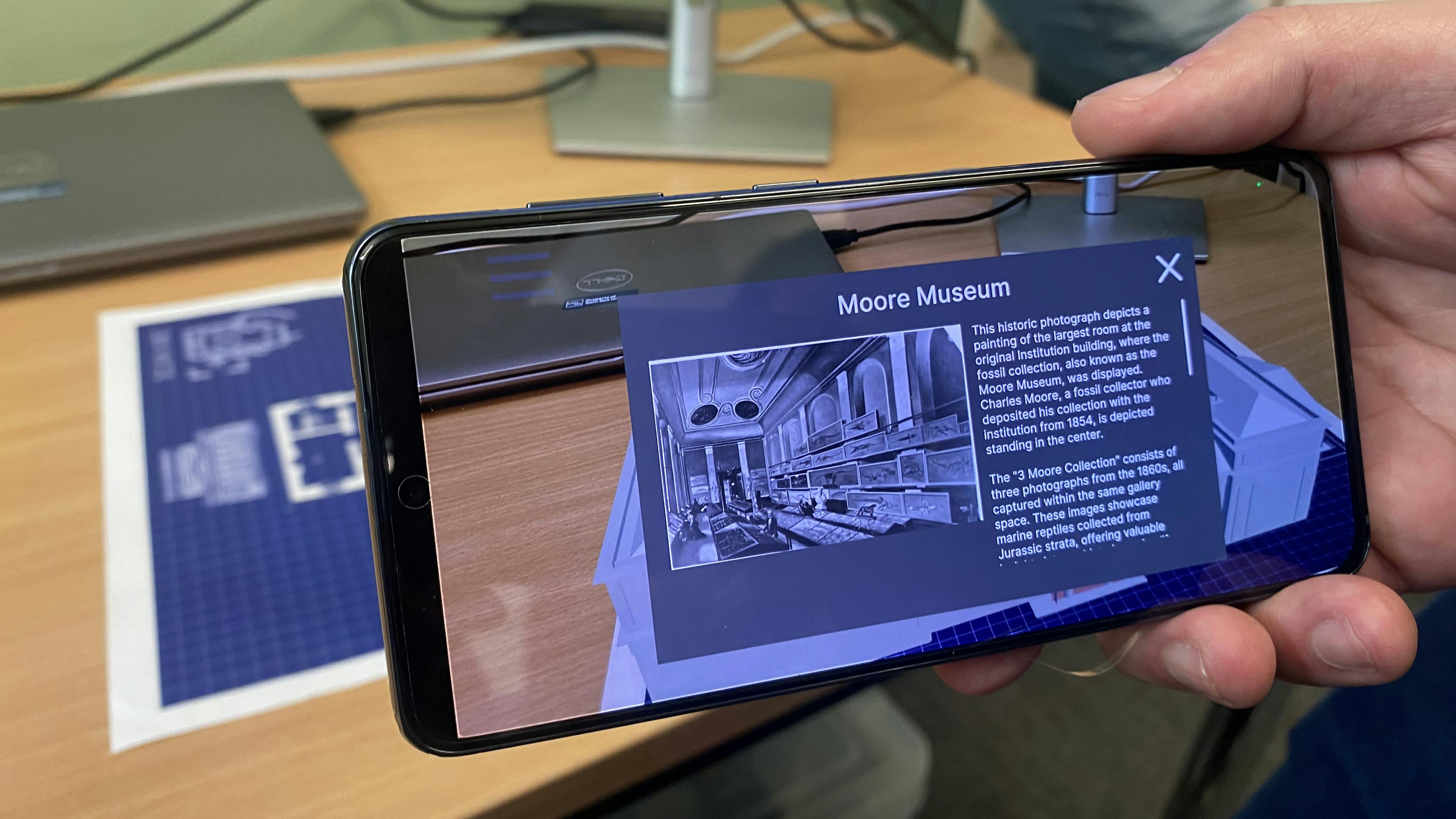
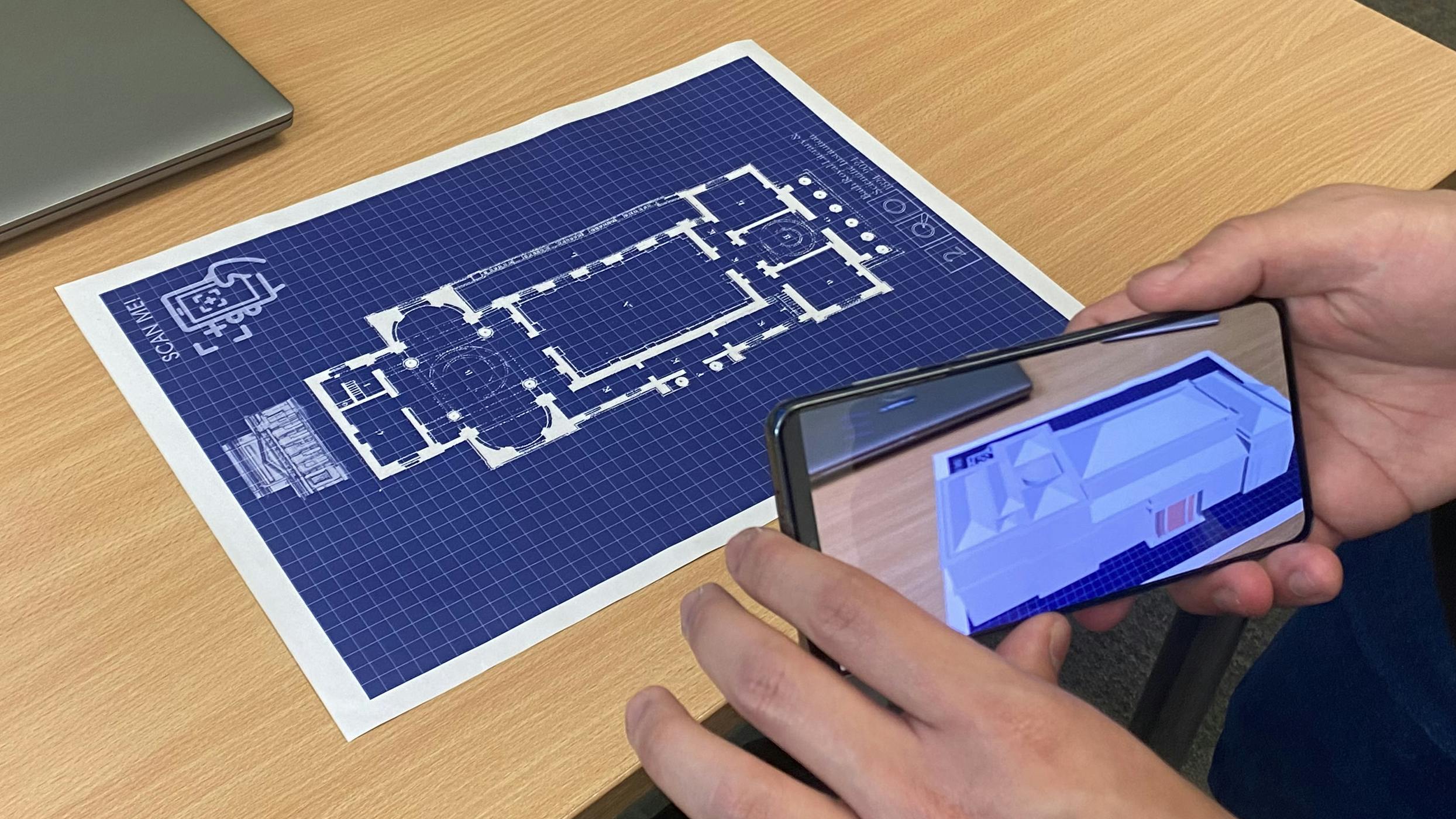
The reconstructed BRLSI AR experience was later commissioned by Bath & North East Somerset Council for a public event presenting plans for Bath’s Central Riverside development. Students were paid for this work, providing valuable professional experience and demonstrating the real-world value of their research and development.
Bicentenary and public showcase
To mark BRLSI’s bicentenary in 2024, the augmented reality projects were showcased publicly at Bath Digital Festival. The work highlighted how student-led creative technology projects can contribute meaningfully to public engagement, exhibition development, and wider cultural conversations.
Impact and outcomes
Across the three-year partnership, students developed industry-relevant skills in 3D scanning, photogrammetry, 3D modeling, immersive media, game technologies, app and web development, and digital storytelling while working directly with museum collections and cultural partners.
Key outcomes included:
· New digital interpretations of BRLSI collections publicly available online
· Ongoing knowledge exchange between Bath Spa University and BRLSI
· Paid commissions and professional opportunities for students
· Six international placements with the University of Adelaide funded by GALA and the Turing Scheme
· Lasting collaborative relationships supporting future projects
The Creative Industry Challenge produced tangible public outputs, international exchange opportunities, and meaningful student experience. It demonstrates how creative technologies can expand access to museum collections while supporting collaborative learning between universities and cultural institutions.