Developed as part of a Creative Technologist in Residence Fellowship at Knowle West Media Centre, by Centre Director Dr Coral Manton.
The Centre for Creative Technology works closely with community partners to raise the profile of and build accessible routes to careers in Creative Technology. Here, Coral shares her perspective on the value and impact of this collaboration.
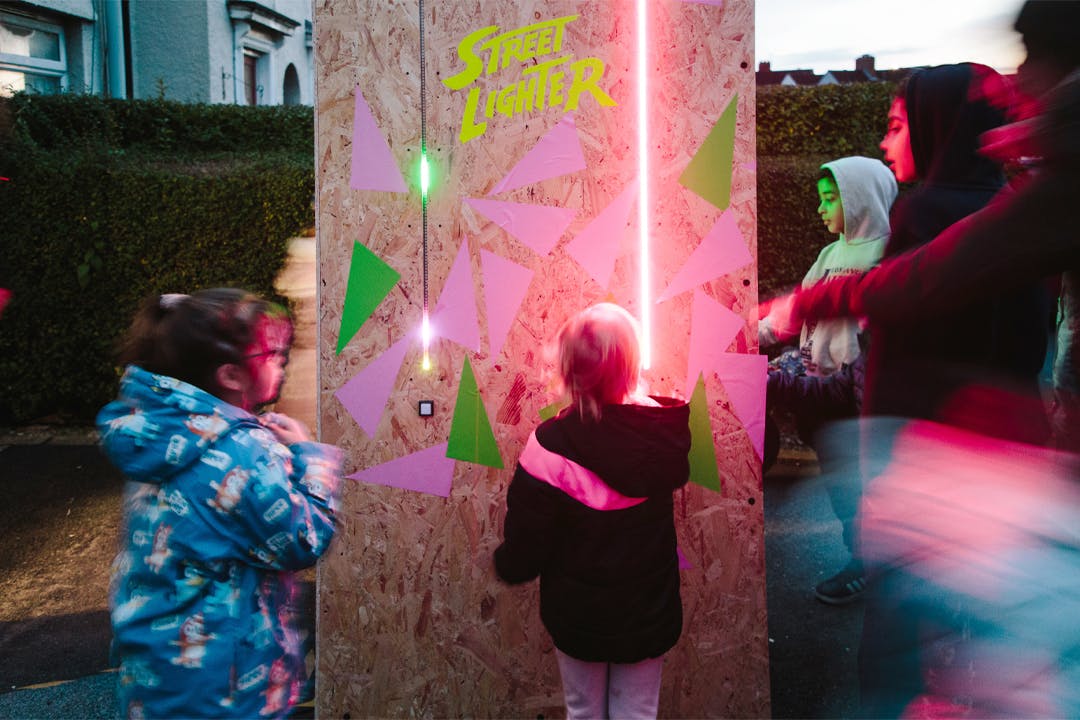
As part of my Creative Technologist in Residence Fellowship at Knowle West Media Centre (KWMC), I’ve been working with local communities to explore creative technology and understand current community tech needs, informed by KWMC’s rich 30-year history of neighbourhood-led digital arts. One of the key projects to emerge so far is Street Lighter — a collaborative LED-based game created with young people on Andover Road as part of WeCanMake’s Retrofit Street project.
Working with WeCanMake and the Retrofit Street Community
Street Lighter began through my work with WeCanMake supporting creative tech activities on Retrofit Street. The project grew from three aims:
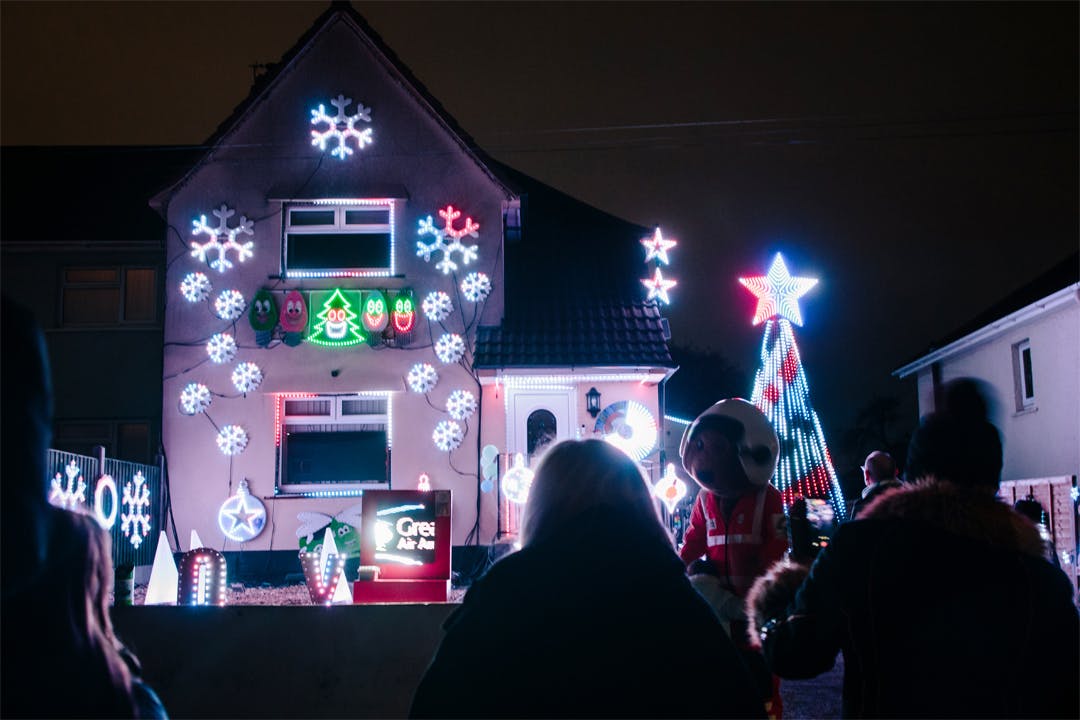
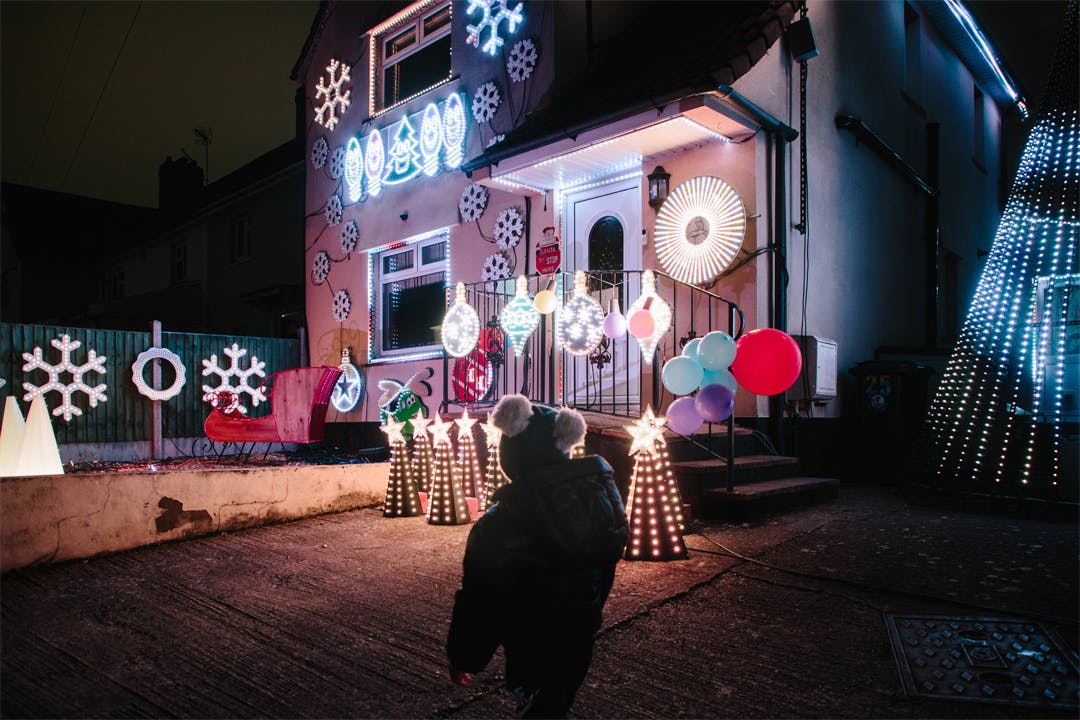
- Celebrating the spectacular annual Christmas light display created by residents Ian and Anne, which raises money for charity and draws visitors from across Bristol and beyond.
- Exploring the creative potential of LEDs and how light technologies shape our everyday environments.
- Bringing people together through playful, hands-on tech making.
I had long been interested in making a game using a single LED strip — inspired by Robin Baumgarten’s Line Wobbler, festival light installations, and playful urban design. In my game design teaching, I’ve seen how visual complexity can sometimes distract from the joy of play; limiting the field of interaction to a strip of 144 pixels creates an elegant design constraint that encourages players and designers alike to focus on movement, timing, and collaboration.
Designing the Street Lighter Game
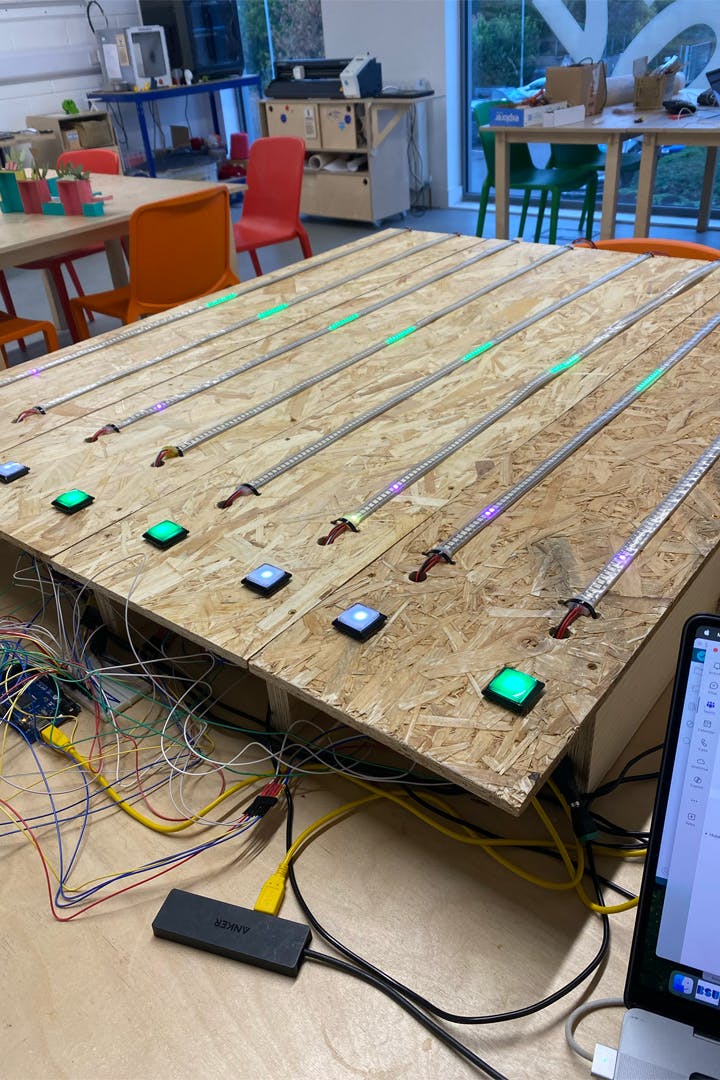
For Retrofit Street, I expanded the idea into a multiplayer game using eight LED strips and eight arcade buttons. Each player can “serve” or “bat” a ball — represented by a single yellow LED — sending it up their strip before it drops down a random one for someone else to return. A row of bottom LEDs acts as a paddle, turning the flow of light into a lively cooperative challenge.
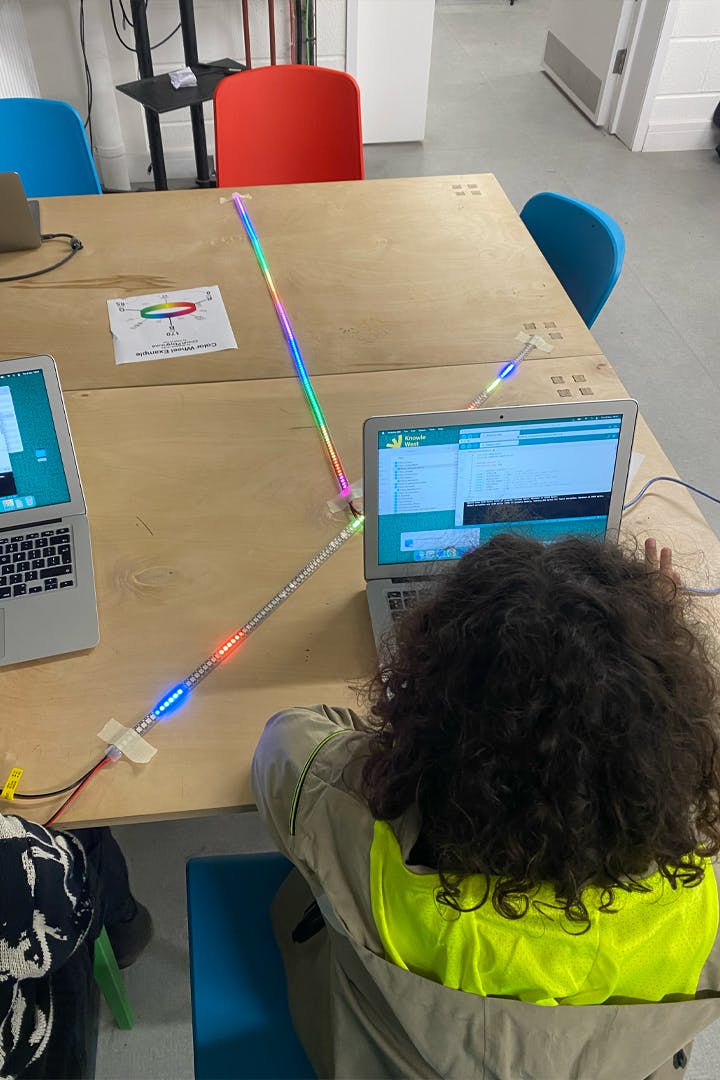
I developed an LED programming and game design workshop for young people on Andover Road, where we explored how LEDs work, created custom light effects, and co-designed the game rules. Together, we decided on a rally-style game where players work collectively to keep the ball moving. Each successful rally increases difficulty by shrinking the paddle and varying the ball’s speed, and triggers a celebratory animation across all eight strips. The group also created the scoring system and chose colours for each level — making the game genuinely theirs.
Building Street Lighter with the Community
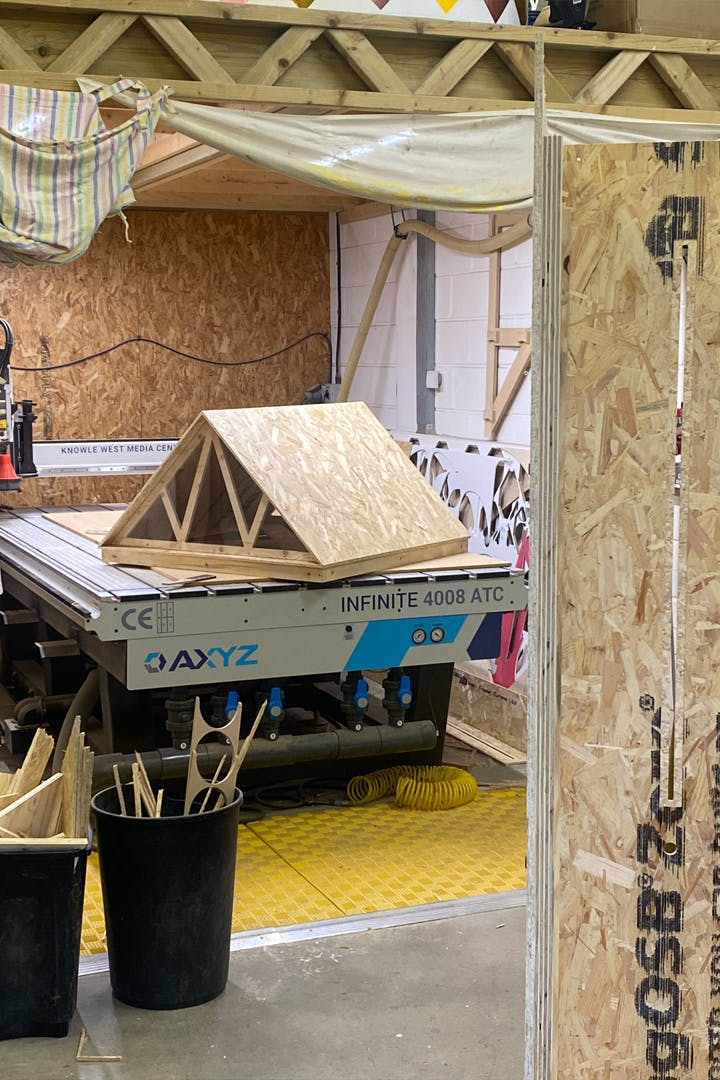
The game was made using an Arduino Mega, 8 x 144 neopixel strips, 8 x LED arcade buttons, a large light strip and a power supply and coded in an Arduino Sketch. Working with Chris Ingram, Production and Workshop Manager at KWMC, we designed a house-shaped frame for the game and came up with its brilliant name: Street Lighter. Chris produced the 3D design and used the facilities at The Factory to build the housing and finalise the electronics.
We premiered Street Lighter at the Retrofit Street launch event, positioned next to Ian and Anne’s famous LED display. The young people who helped design the game proudly introduced it to neighbours, and it was played continuously throughout the evening — a joyful combination of community, creativity, and light.
What’s Next for Street Lighter
I plan to develop Street Lighter further as a workshop series exploring play, collaboration, and pixel-based design constraints. We would also like to take the game to events like light festivals – taking a bit of Knowle West magic!
Street Lighter is just one strand of my wider fellowship work with KWMC, but it embodies something central to their practice: using creative technology to bring people together, spark imagination, and illuminate the possibilities of community-led making.